Building on your own lot in Georgia sounds simple. Find the land, hire a builder, build the house.
It’s rarely that simple, and it’s rarely that affordable either, at least not in the way most folks expect going in.
Here’s the truth: your lot has almost everything to do with how your build actually goes. Before a single wall goes up, there’s a long list of decisions that shape the whole project, and nearly all of them start with the land itself.
The Lot Is the Foundation of Everything
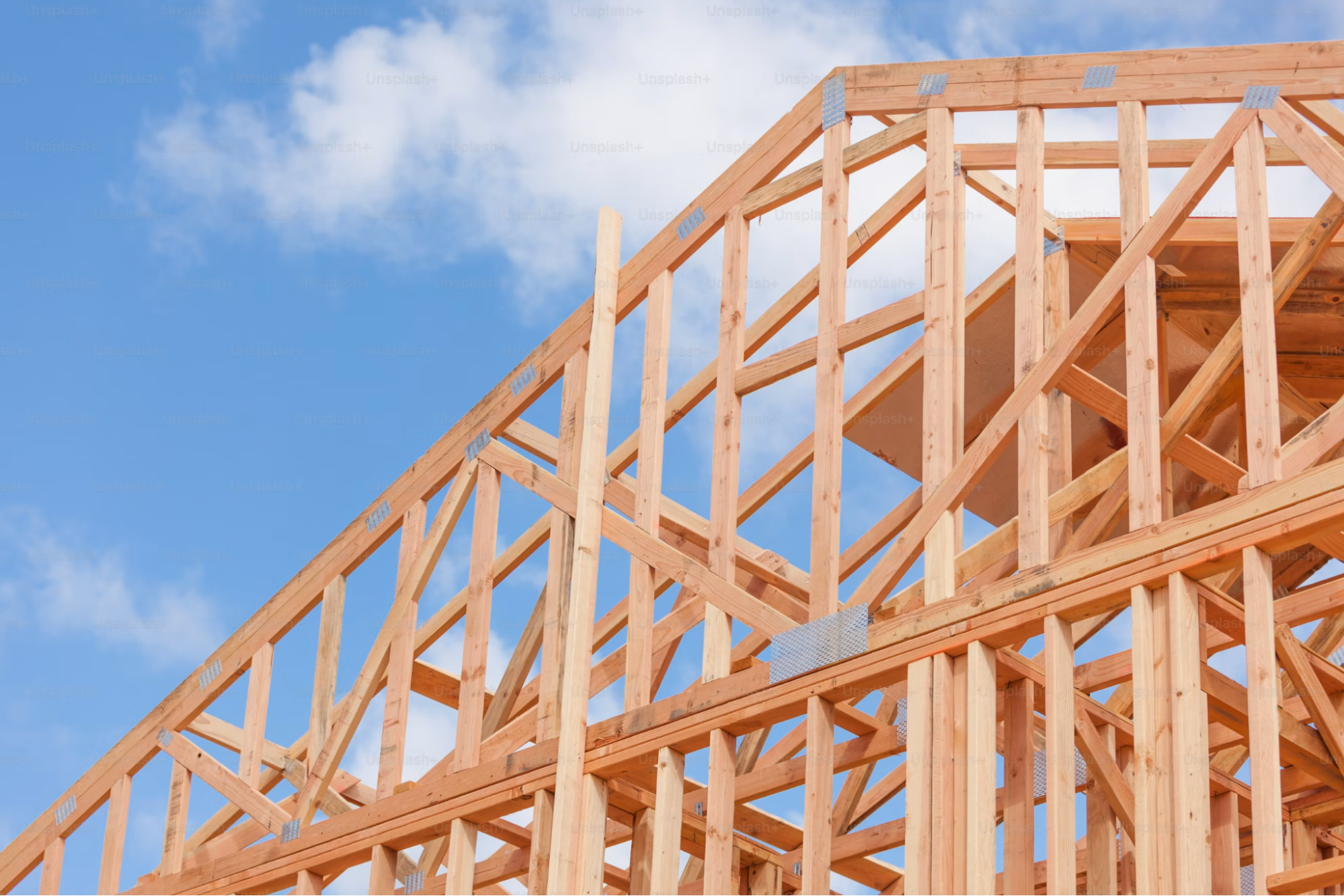
Think of your lot the way you’d think of a skeleton. It’s what everything else gets built on. A strong, well-understood lot gives your home a solid frame to work from. A lot nobody evaluated ahead of time can cause problems that show up in the budget, the timeline, or the design itself, often all three at once.
That’s why we tell clients so often: the land isn’t a detail. It’s the starting point for every decision that follows.
Falling in Love With the Land Comes First
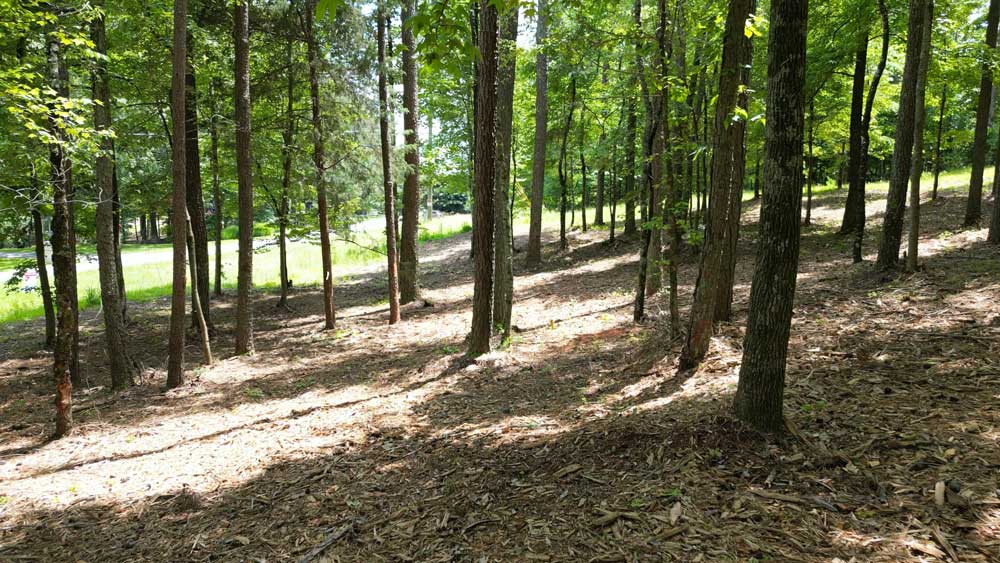
Most people find a lot before they’ve thought through anything else, and that’s how it should be. You walk it, you picture the house, and something about it just feels right. That instinct matters, and it’s usually the reason a lot is worth a second look in the first place.
But before you get too far down the road, it’s worth slowing down and asking the practical questions too. Do you actually want to live here? What are the schools like? What does the drive look like at the times you’d actually be making it? Once those questions have real answers, and the answer is still yes, the next phase begins.
Then Comes the Real Question: Can You Actually Build Here?
Loving a lot and being able to build your home exactly where you pictured it are two different things.
This is where property lines, setbacks, topography, and house placement come in. Where does the property line actually sit? How far back from that line are you required to build? How does the land slope, drain, and face the sun? Does the home you have in mind actually fit the shape of the lot you fell for?
These aren’t small details. They often determine whether your dream layout works as drawn, or needs to shift to fit the land you’re actually building on.
Why Pre-Construction Is Almost the Whole Project
Here’s something most people don’t expect. On a custom build, close to 95 percent of the real decision-making happens before construction ever begins.
That’s because every one of those variables, the property lines, the setbacks, the topography, the design, has to be answered before a shovel goes in the ground. Skipping ahead to construction without those answers is how budgets grow and timelines slip.
This is exactly why Ecraft treats pre-construction as its own dedicated phase, not a quick step before the real work starts. It is the real work.
What This Looks Like When You Build With Ecraft
Our pre-construction consulting phase exists to answer these questions before you sign a full build contract. We use our Service Agreement to guide and complete this phase, so the process stays organized and every step is accounted for. That includes coordinating permitting and early site research, working through a detailed design interview, and building a line-by-line estimate, so you know exactly what your home will cost, and why, before construction ever begins.
Building on your own lot deserves that kind of attention. The land you chose is the foundation for everything that comes next, and it’s worth getting right from the very beginning.
A Thoughtful Next Step
If you already own land, or you’re close to choosing a lot in Georgia, we’d love to sit down and walk through what that land can actually support before you get too far into planning. It will save you time, money, and a good bit of frustration later on.
FAQs
Is it more expensive to build on your own lot than to buy a pre-selected homesite?
It can be, depending on the land itself. Grading, drainage, and utility access all vary from lot to lot, which is why a full evaluation matters before you commit to a budget.
What’s included in pre-construction planning?
Pre-construction includes permitting and site research, a design interview to guide your home’s direction, and a detailed, line-by-line estimate before a full build contract is signed.
What are setbacks, and why do they matter?
Setbacks are the required distances between your home and your property lines. They directly affect where your house can sit on the lot, and sometimes how large it can be.
Can any house design work on any lot?
Not always. Topography, setbacks, and lot shape can require adjustments to a floor plan so it actually fits the land you’re building on.