Learn how to choose a custom home builder, and why the team behind the design matters as much as the design itself
Pull up a chair, because this is a conversation worth having slowly.
If you’ve been spending your evenings scrolling through floor plans, saving photos to folders you’ve named things like “dream kitchen” or “back porch goals,” you’re already doing the right thing. You’re picturing the life before you figure out the logistics. That instinct will serve you well.
But at some point, the question shifts from what you want to who is actually going to build it. And that’s where a lot of homeowners hit a wall, because knowing how to choose a custom home builder in North Georgia is not just about portfolios and price sheets. It’s about finding the team you’d trust to hold your vision all the way through to move-in day.
There’s one question that will tell you more than any portfolio ever could. Most people never think to ask it.
The Question Most People Don’t Think to Ask
When homeowners start comparing builders, they focus on timelines, portfolios, and price ranges. All of that matters. But the question that shapes the entire experience — more than any of those — is this:
Is your builder also your designer?
It sounds simple. The answer changes everything.
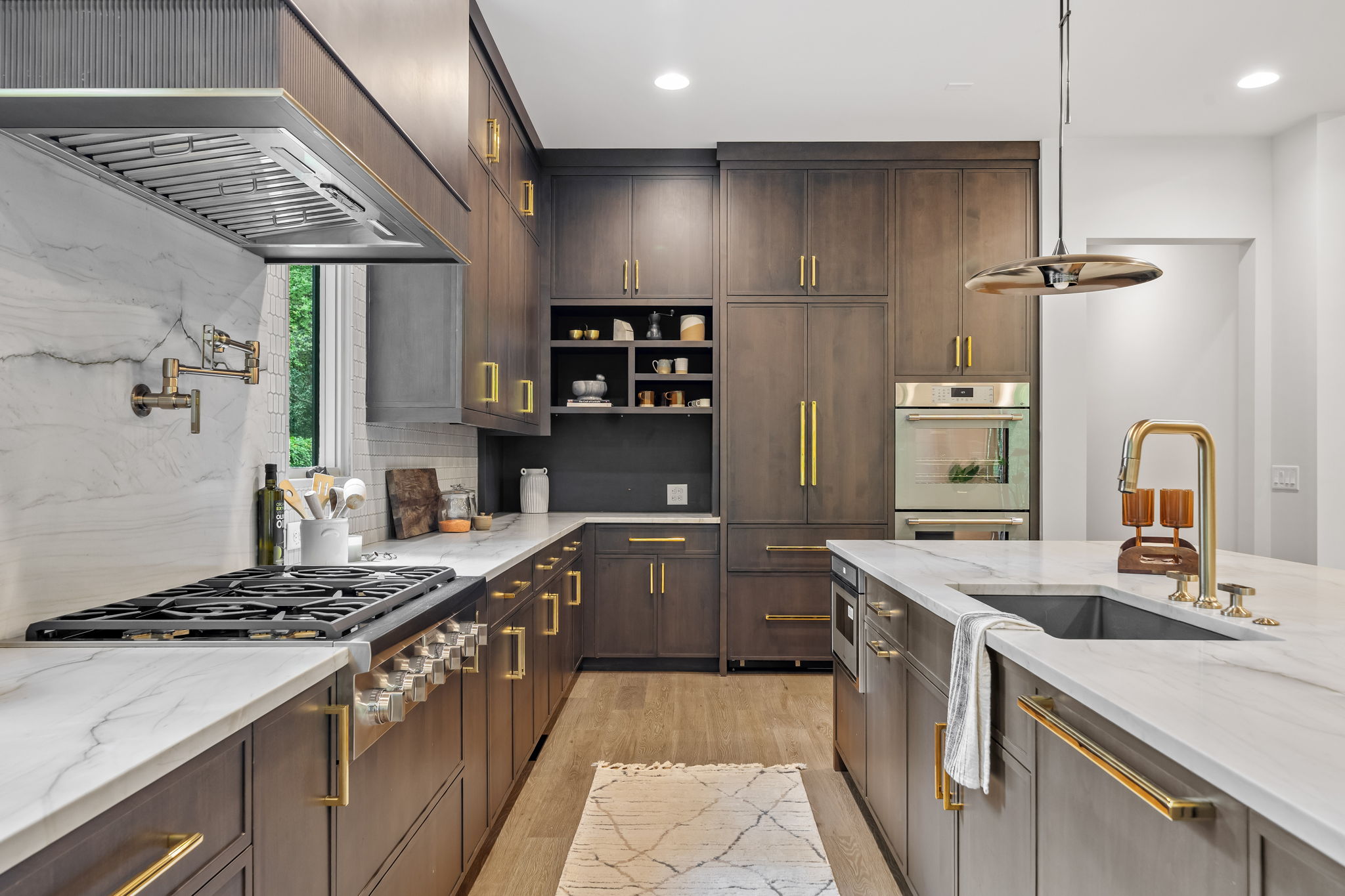
When design and construction live under one roof, your home gets built the way it was imagined. The warm, collected look you fell in love with in the inspiration lookbook doesn’t get value-engineered into something that almost looks like it. The flush baseboards stay flush. The appliance garage gets framed correctly. The light you planned for in the primary suite actually arrives every morning.
When they’re separate, things fall through the gap between them. Not because anyone made a mistake — but because two teams working independently don’t share the same picture of your home. By the time the miscommunication surfaces, you’re already in the middle of a build.
We have seen this happen to people who came to us afterward. It is not a fun conversation. And it is almost always avoidable.
What Ecraft Does Differently
We built our entire process around keeping design and construction in the same room — because we’ve seen what happens when they’re not.
Our in-house design team works alongside our builders from the very first conversation. We’re not handing off plans to a separate crew and hoping the details survive the transition. The same people who helped you choose warm white oak floors and tuck a scullery behind the main kitchen are the ones making sure those decisions translate correctly into the build.
Here’s what that actually looks like in practice.
We design with materials that actually age well
Natural stone. Warm-toned wood. Soft plaster walls. We love all of it, and so do most of our clients right now. Our team knows which of these choices hold up in Georgia’s climate and which ones look better in a showroom than they do after a few summers. That’s a conversation that belongs at the design table, long before anyone picks up a hammer.
We price as we design
One of the most common ways a custom home build goes sideways has nothing to do with construction. It happens earlier — when finishes and structural choices get selected without a clear picture of what they actually cost to execute. At Ecraft, our team is pricing alongside the design from the beginning. So when you fall in love with a statement ceiling or a particular window package, we can tell you exactly what that means for your budget before you’re committed to it. No surprises waiting on the other side.
We sit down together before a single line gets drawn
Early in our process, we hold a formal design interview with every client. From that conversation, we build a custom inspiration lookbook — a five-page visual document that captures your style direction and sets the thread we carry through every decision in the home. It sounds like a small thing. In practice, it’s what keeps a home from feeling like a collection of good ideas that never quite came together into something cohesive.
What People Are Building Right Now — and Why It Matters
We talk to a lot of homeowners who come in having done their research. They’ve saved the Instagram posts and the Houzz boards. They know what they’re drawn to, even if they can’t always name it yet.
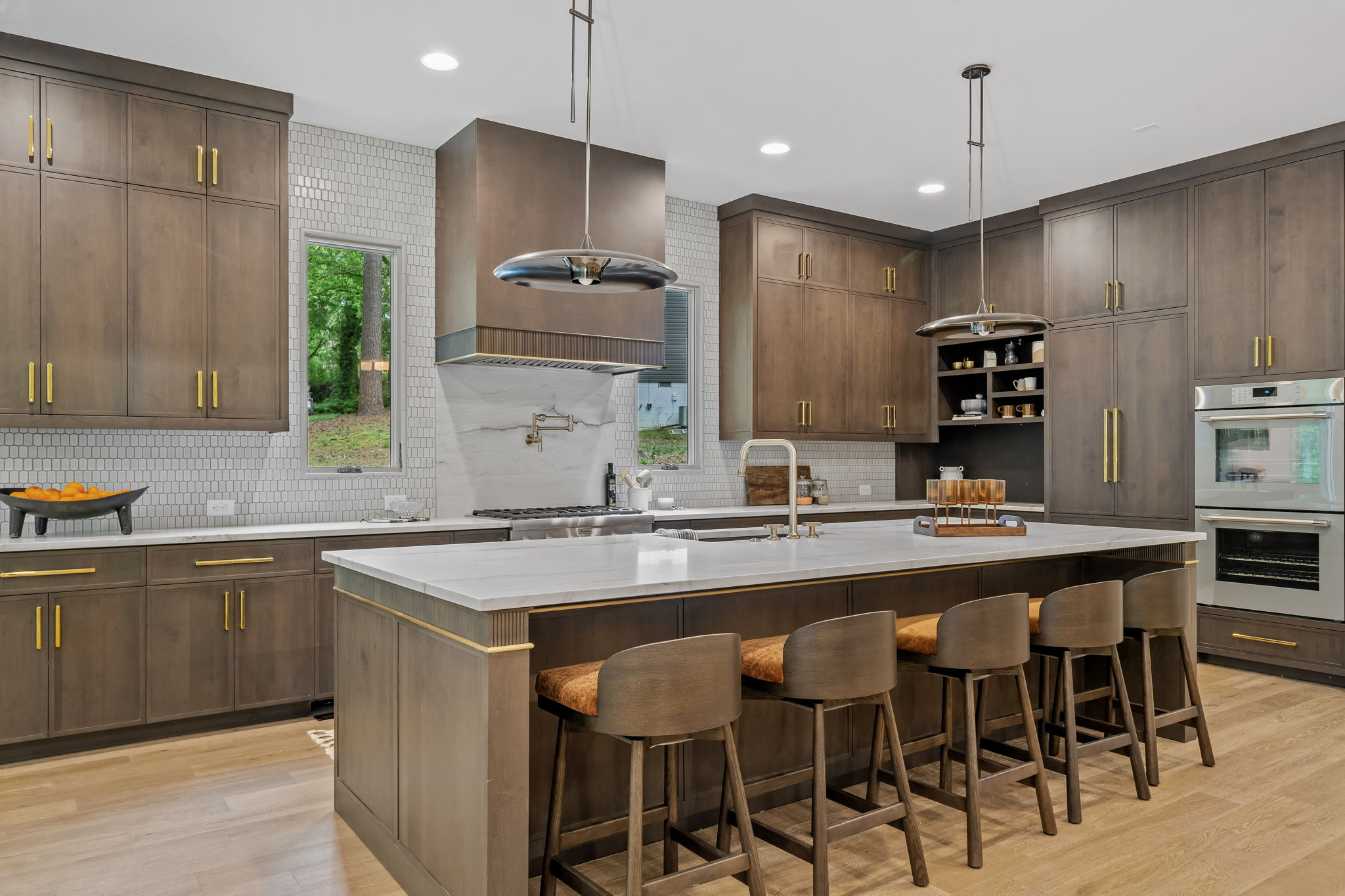
More and more, what they bring us looks like this:
None of these are passing trends. They’re a picture of how people genuinely want to live. And translating that picture from an inspiration board into an actual home — that’s where most of the real work happens. It’s also where having design and construction under one roof makes all the difference.
Two Paths, One Standard of Care
At Ecraft, we offer two ways to build — and both start the same way.
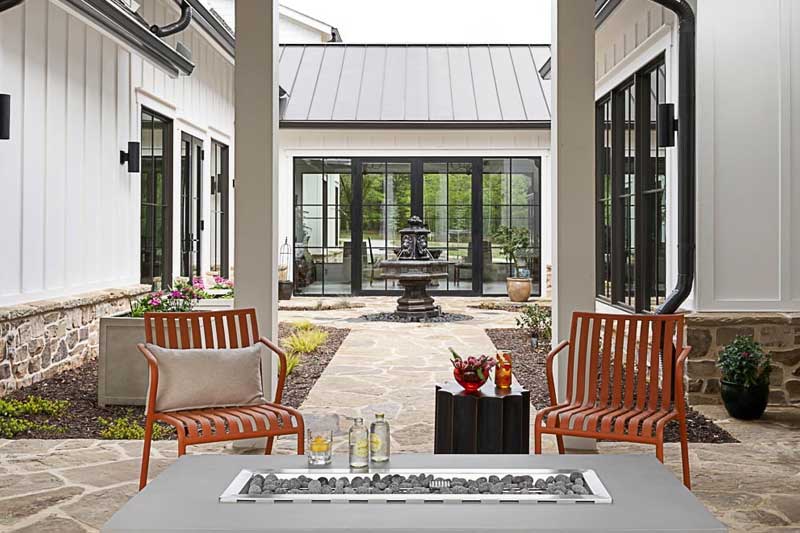
Our fully custom path gives you a blank page. Everything is designed around your land, your lifestyle, and your vision. If you’ve been holding onto the idea of building something that is entirely, specifically yours — this is that path.
Our curated home path gives you a thoughtfully developed starting point. The architectural plans are already refined for livability and flow. You personalize the finishes, materials, and select design details — and you benefit from a faster timeline and more predictable costs from the very beginning.
Both paths are guided by the same in-house design team. Both are held to the same standard of craftsmanship. And both begin the same way — not with a price sheet, but with a conversation about how you want your days to unfold.
We think that’s how it ought to be and key to how to choose a custom home builder.
Frequently Asked Questions
How do I choose a custom home builder in North Georgia?
Start by asking whether your builder has an in-house design team or works with outside architects. Then ask how they handle budget conversations during the design phase — not after. A builder who prices alongside the design process is far less likely to deliver surprises once construction starts. Ask to see homes they’ve completed recently and, if possible, talk to those homeowners directly. The experience of being a client tells you more than any portfolio ever will.
What is the difference between a design-build firm and a traditional builder?
A traditional builder receives completed plans from an architect and builds from them. A design-build firm handles both. At Ecraft, the same team that shapes your design is the team that builds it. That removes the handoff where details tend to get lost, keeps costs more predictable, and typically results in a home that feels more cohesive — like everything was meant to be there.
What luxury home design trends are worth building around right now?
The ones with real staying power are rooted in how people actually want to live, not what photographs well for a moment. Warm minimalism, natural materials that age gracefully, hidden function like sculleries and appliance garages, design that prioritizes natural light and a genuine connection to the outdoors. These are not short-cycle trends. They’re a shift in what luxury means — and they translate beautifully into a home that’s built to last.
What is a curated home and how is it different from fully custom?
A curated home starts from a refined architectural plan that has already been developed for livability, flow, and beauty. You personalize the finishes, materials, and select layout details without starting from a blank page. It typically offers faster timelines and more budget predictability than a fully custom build, while maintaining the same quality and craftsmanship. A fully custom home gives you complete creative control over every architectural and design decision from the ground up. Both are a good path — it just depends on where you’re starting from.
How does Ecraft handle the design process before construction starts?
We begin with a design interview, then build a custom inspiration lookbook that captures your style direction and sets the visual thread for the entire home. From there, we develop a detailed estimate based on actual plan quantities — not ranges — before you commit to a full build contract. The goal is simple: by the time we break ground, there are no surprises on either side.
What questions should I ask before hiring a custom home builder?
Ask how their design and build teams communicate — and who is responsible when something falls through the gap between them. Ask how they catch cost issues during the design phase. Ask what their estimating process looks like and whether they offer fixed pricing. Ask how you’ll be kept informed during construction. The specificity of the answers will tell you more than the answers themselves. A builder who has been here before will answer without hesitation. These questions guide your answer in how to choose a custom home builder.